01
Why after school felt harder than the school day
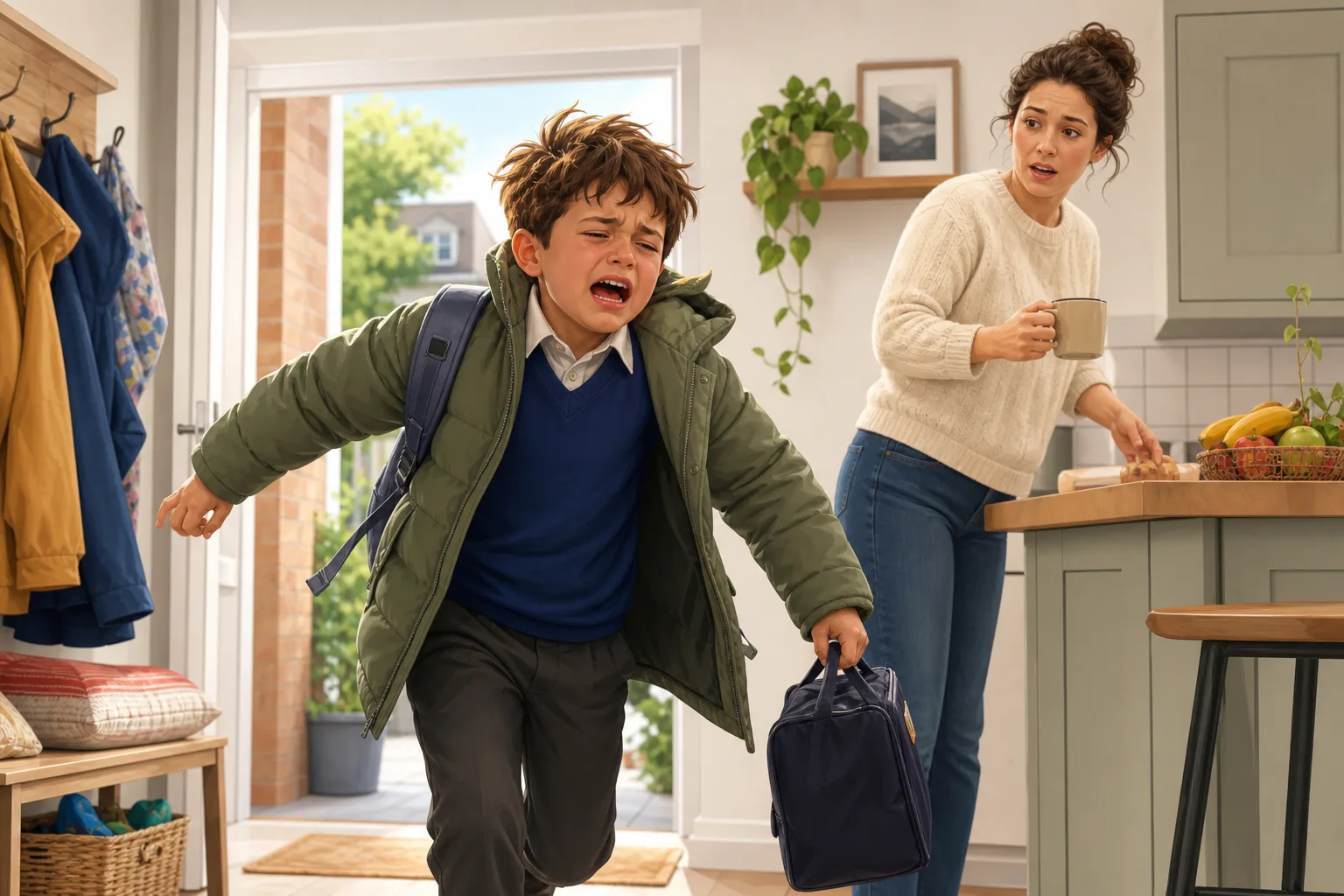
Teachers manage a room full of children with routines built in. At home, the same child arrives hungry, chatty, and sometimes overstimulated. We were either letting screens run too long or starting elaborate crafts we did not have energy to finish. Twenty minutes became our magic number — long enough to reconnect, short enough to start homework and dinner without a battle.
02
Our four-day rotation
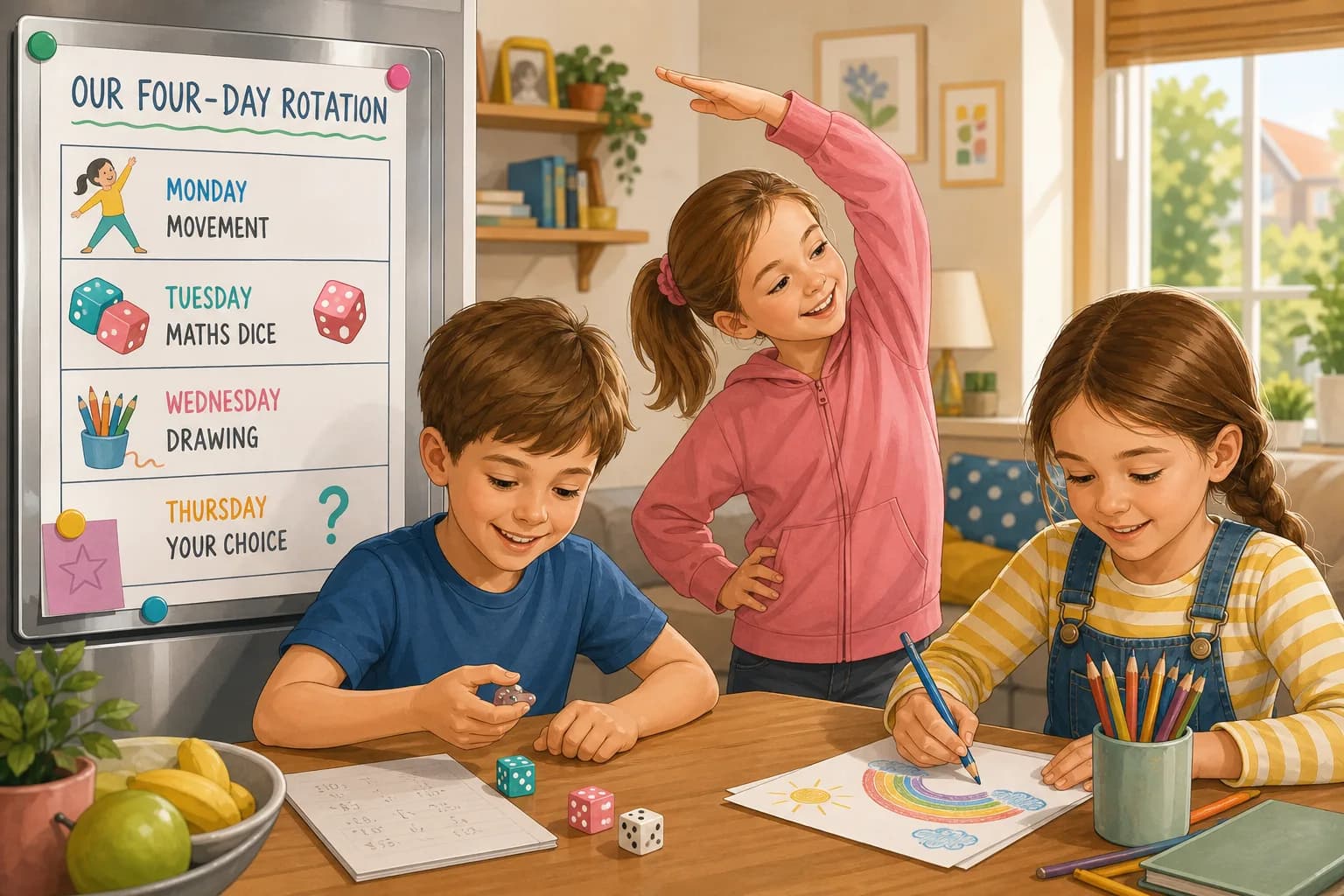
Monday: movement — phonics sound hop or balloon tennis in the hallway. Tuesday: maths dice race at the table while snack is ready. Wednesday: drawing prompts — one sheet, no mess. Thursday: child chooses from two options we pre-pick on Sunday. Friday: free choice or early bath if the week was heavy. The routine chart lives on the fridge so we are not negotiating daily.
03
Making it work when you are exhausted
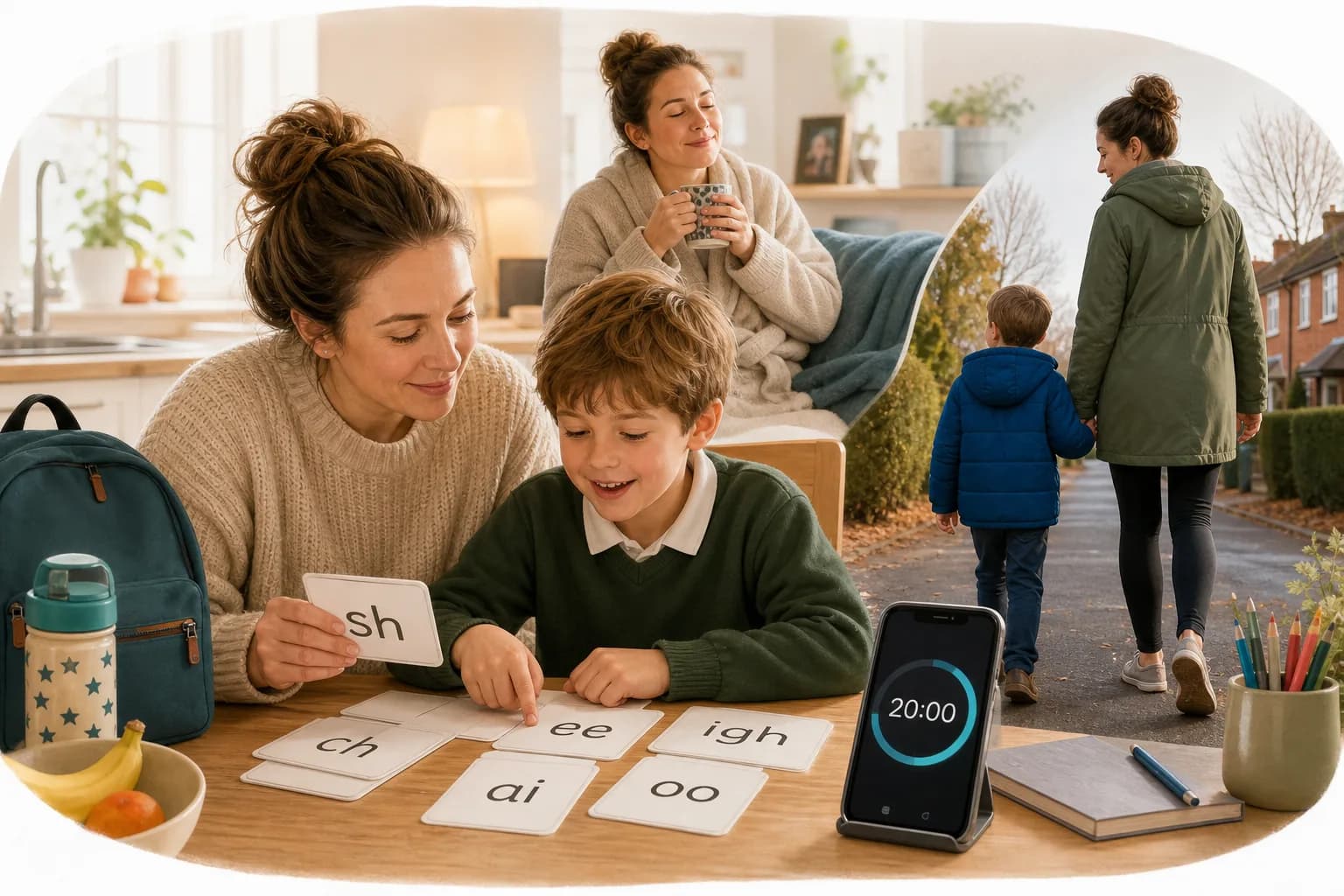
Prep beats improvisation. Print phonics cards once and keep them in a folder by the door. Set a phone timer for twenty minutes — when it rings, activity ends. That boundary helped our child trust the routine. On terrible days, we downgrade to a walk around the block or reading together. Consistency matters more than perfection.
Planning tips
Make the week easier
- Choose activities that match your child's school stage.
- Keep materials in one box — no hunting through cupboards.
- Use a timer so the activity has a clear end.
- Swap movement days if they had PE already.
Try these
Linked activities
Activity ideas mentioned in this article.
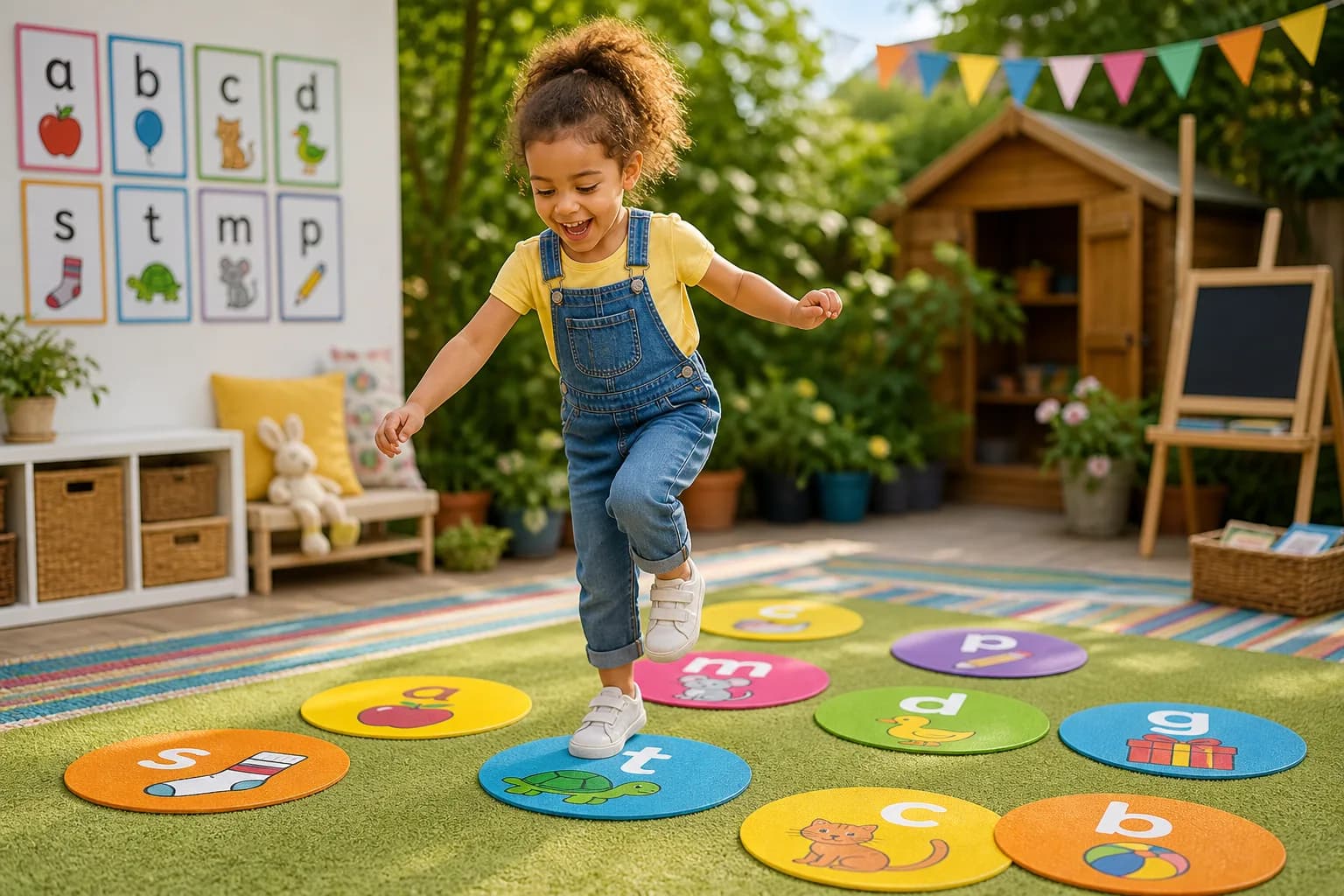
Phonics Sound Hop
A movement phonics game where children hop to the sound or word they hear, ideal for EYFS and KS1 rainy-day energy.
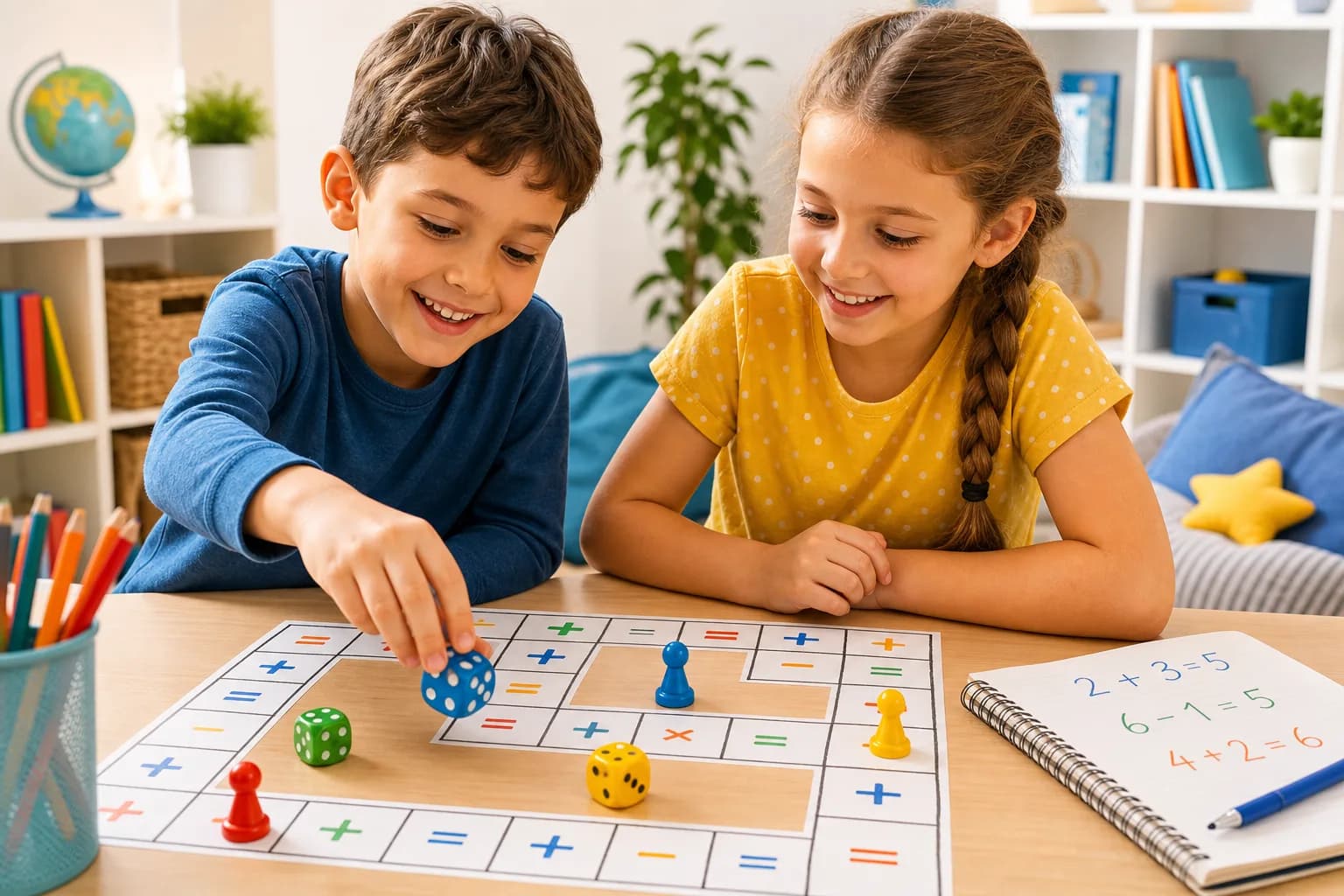
Maths Dice Race
Roll dice, solve quick sums, and race to a target number in a lively indoor maths game for KS1 and KS2 children.
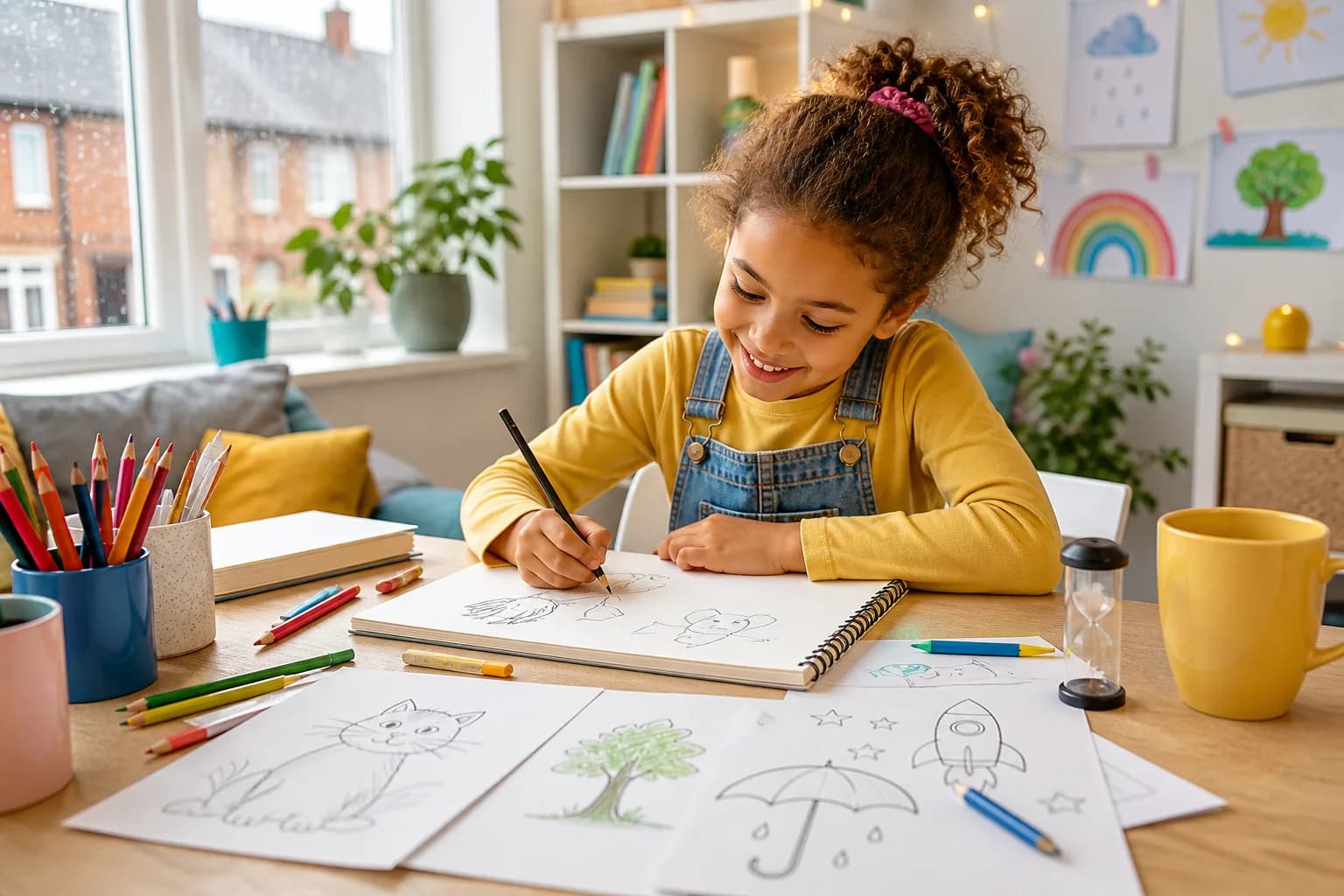
Five-Minute Drawing Prompts
Quick drawing prompts to reset attention and spark creativity in short bursts.

Balloon Tennis
A lively indoor balloon tennis game using paper plate bats — perfect for burning energy on rainy UK afternoons at home.
Print & play
Linked printables
Download or preview these printable resources.
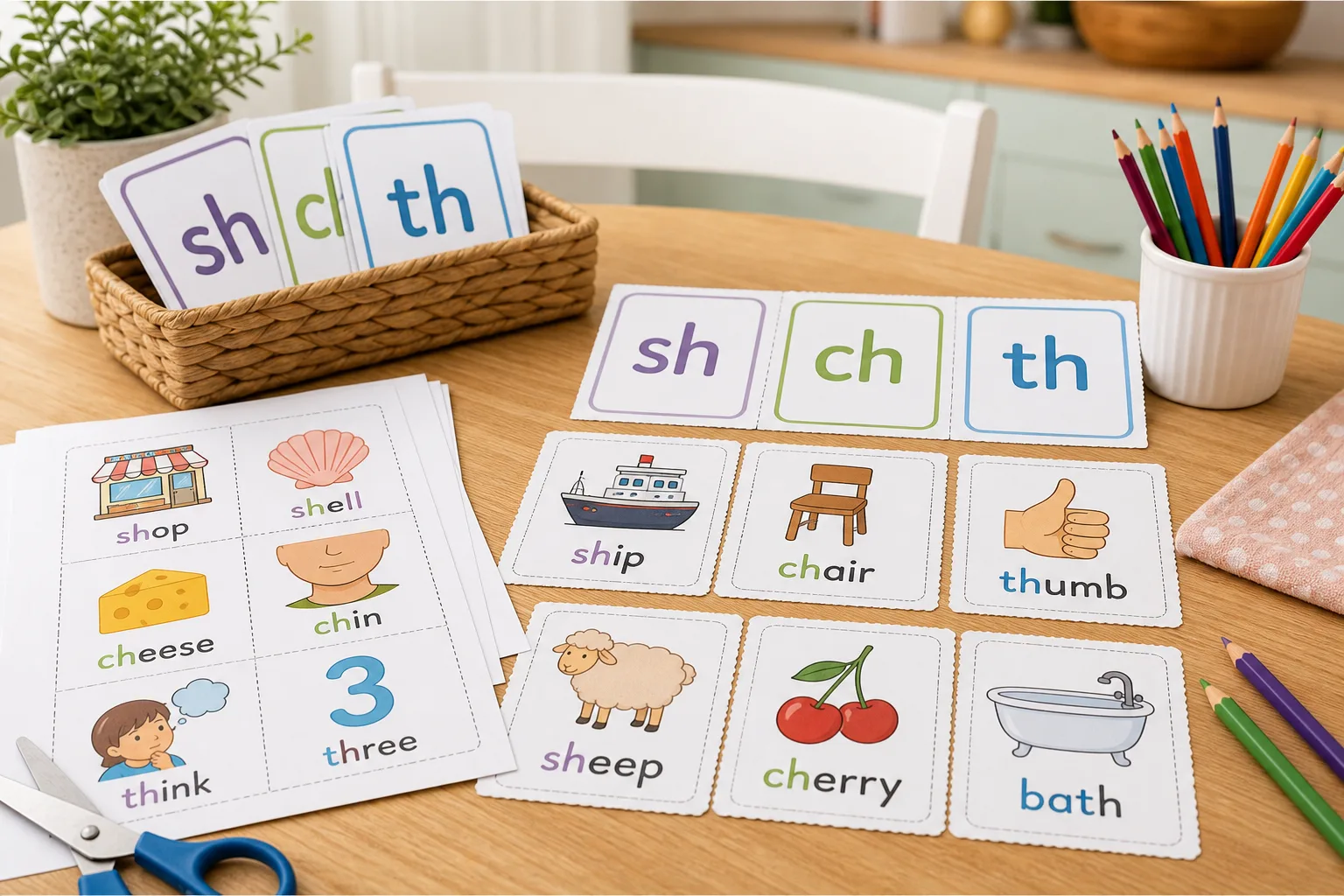
Phonics
Phonics Game Cards
Printable phonics sound cards for quick reading games, movement activities, and KS1 classroom warm-ups at home or school.
Maths
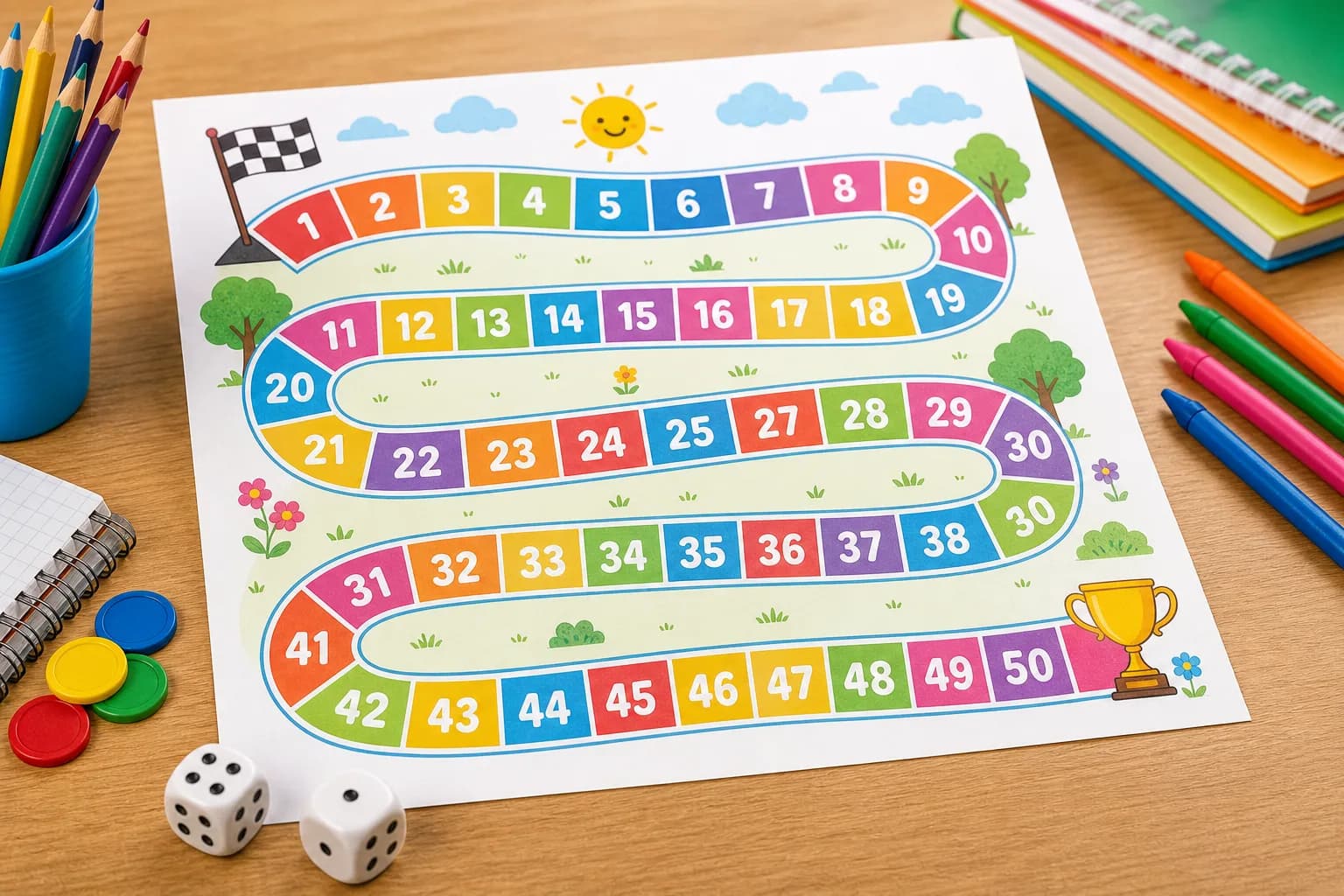
KS1 Maths Dice Game
A printable track and instructions for a quick dice maths race.
Routine Chart
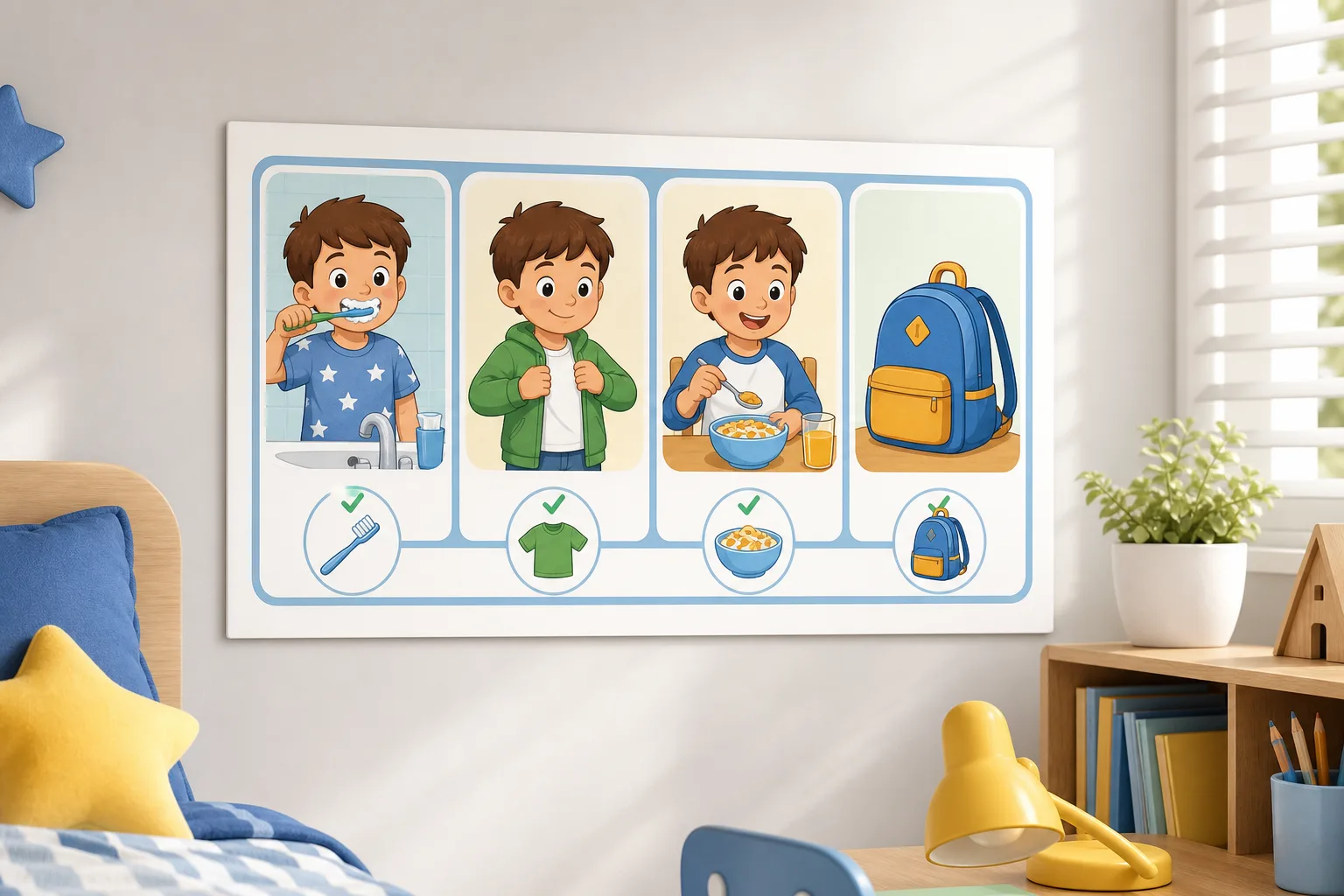
Morning Routine Chart
A visual routine chart for getting ready on school mornings.
Reward Chart
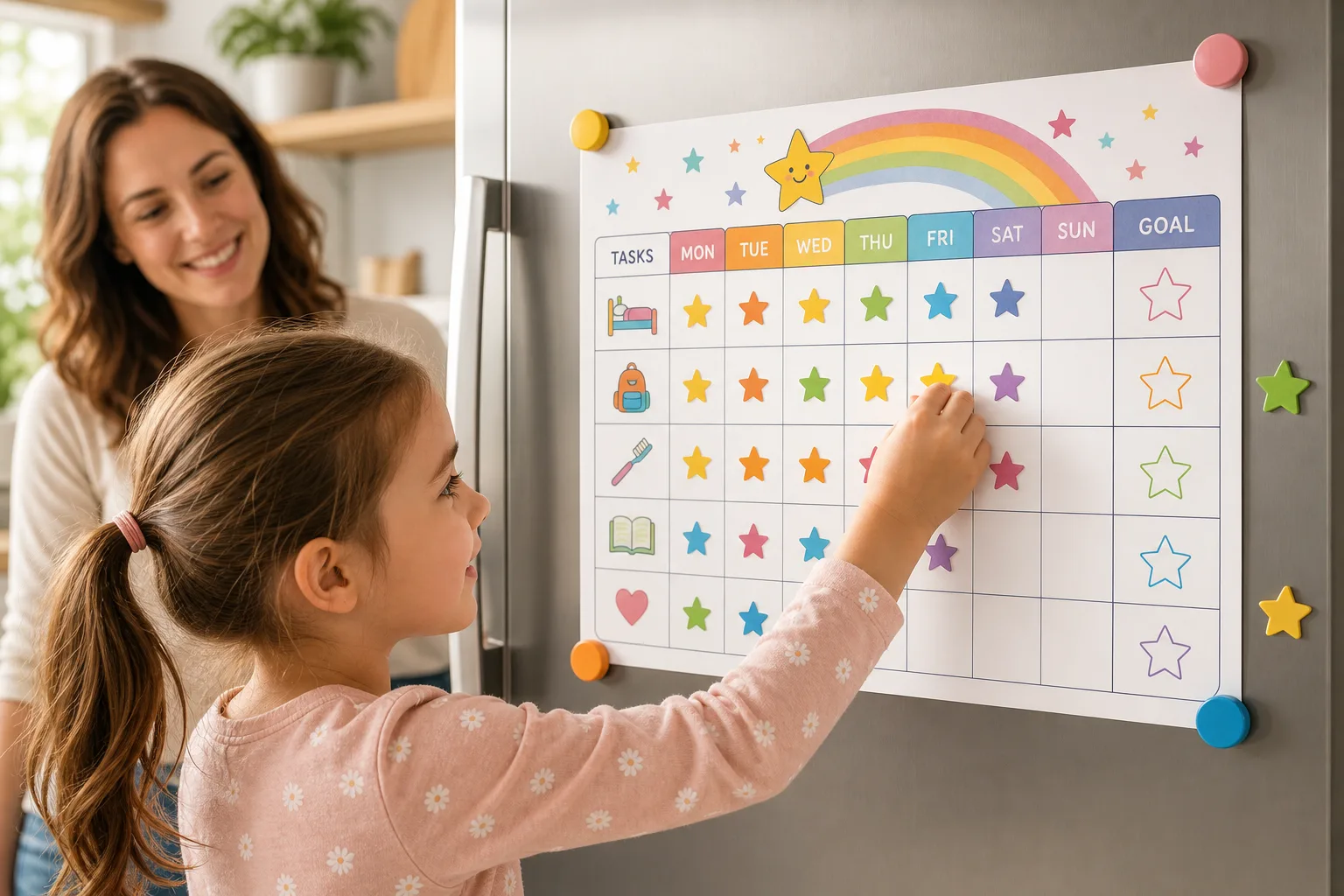
Reward Chart for Kids
A simple weekly reward chart for routines, effort, and positive habits.
FAQs
Common questions
What if twenty minutes is too long for my toddler?
Try ten minutes with simpler movement or sensory play. Build up slowly as attention grows.
Should we do homework first instead?
Some children need decompression first; others focus better before play. Try both for a week and see what fits.


