
01
Why fancy routines fail by week two
We used to design elaborate charts with ten steps. By mid-September everyone ignored them. What stuck was a short sequence: snack, twenty-minute activity or homework block, pack bag, bath or wash, story, lights out. Same order every night. Predictability beat novelty.
02
The after-school bridge
Children arrive dysregulated. Jumping straight into homework rarely works. We use a short bridge: phonics hop or maths dice for KS1, or five-minute drawing if they need calm. Breathing colour cards help on overloaded days. Then homework — or reading — while dinner finishes.
03
Bag and kit the night before
Shoes by the door, bag packed after homework, PE kit checked against the timetable on Sunday. The morning routine chart lives downstairs so breakfast is not a scavenger hunt. A simple reward chart for five school-night wins keeps motivation without bribing every task.
04
Protect sleep like it is a subject
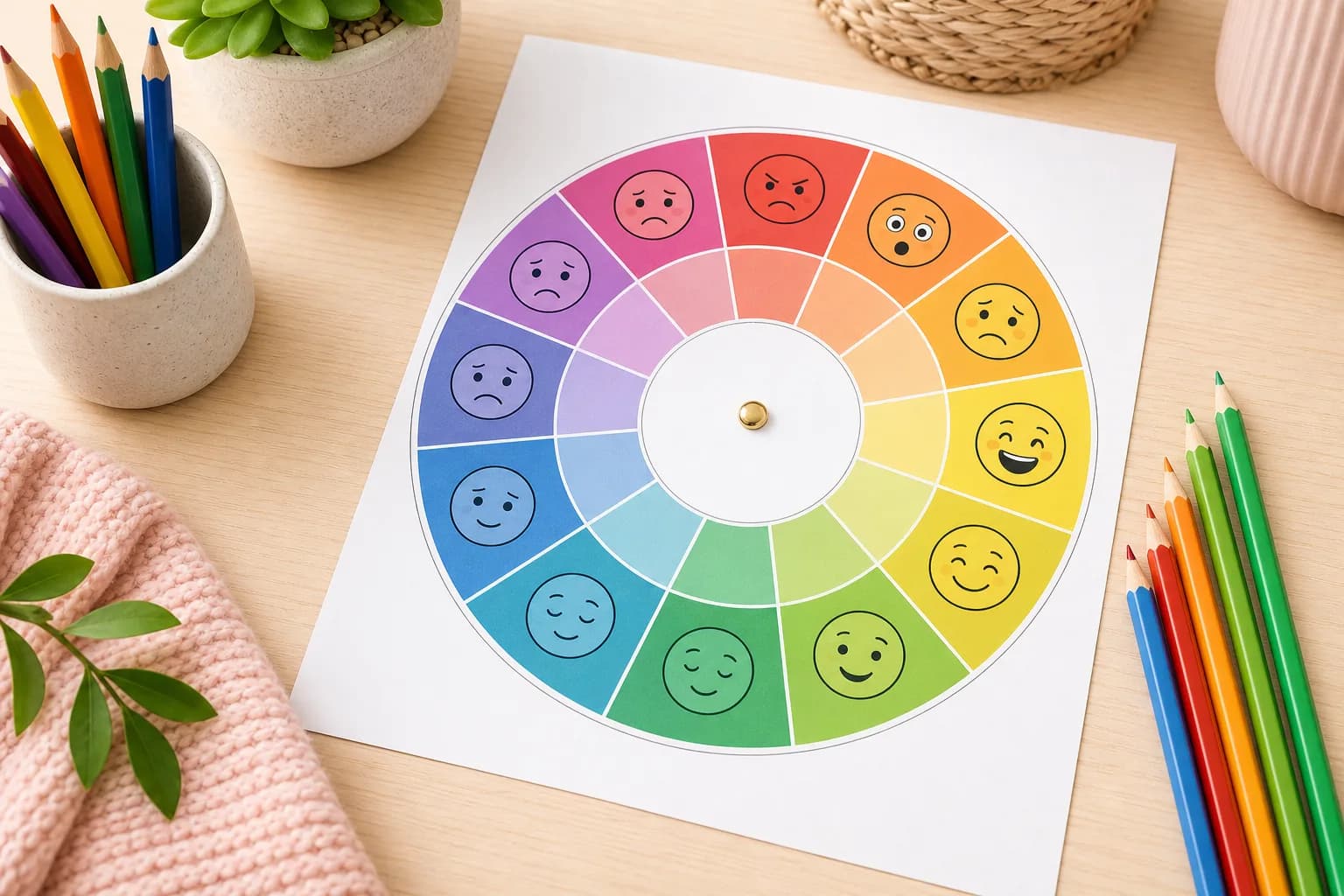
Screens off with enough buffer before bed. Feelings colour wheel if something hard happened at school — name it, then move on. Early nights in the first two weeks of term matter more than perfect homework.
Quick takeaways
Sunday reset (15 minutes)
- Check timetable and PE days
- Restock water bottle and snacks
- Print or refresh any phonics/maths cards
- Agree bedtime for the week
Planning tips
Make the week easier
- Start the evening routine in the last week of summer holidays.
- Keep materials in one tray by the table.
- Use timers so debates do not eat the evening.
- Downgrade on exhausting days — bag pack and early bed still count.
Try these
Linked activities
Activity ideas mentioned in this article.
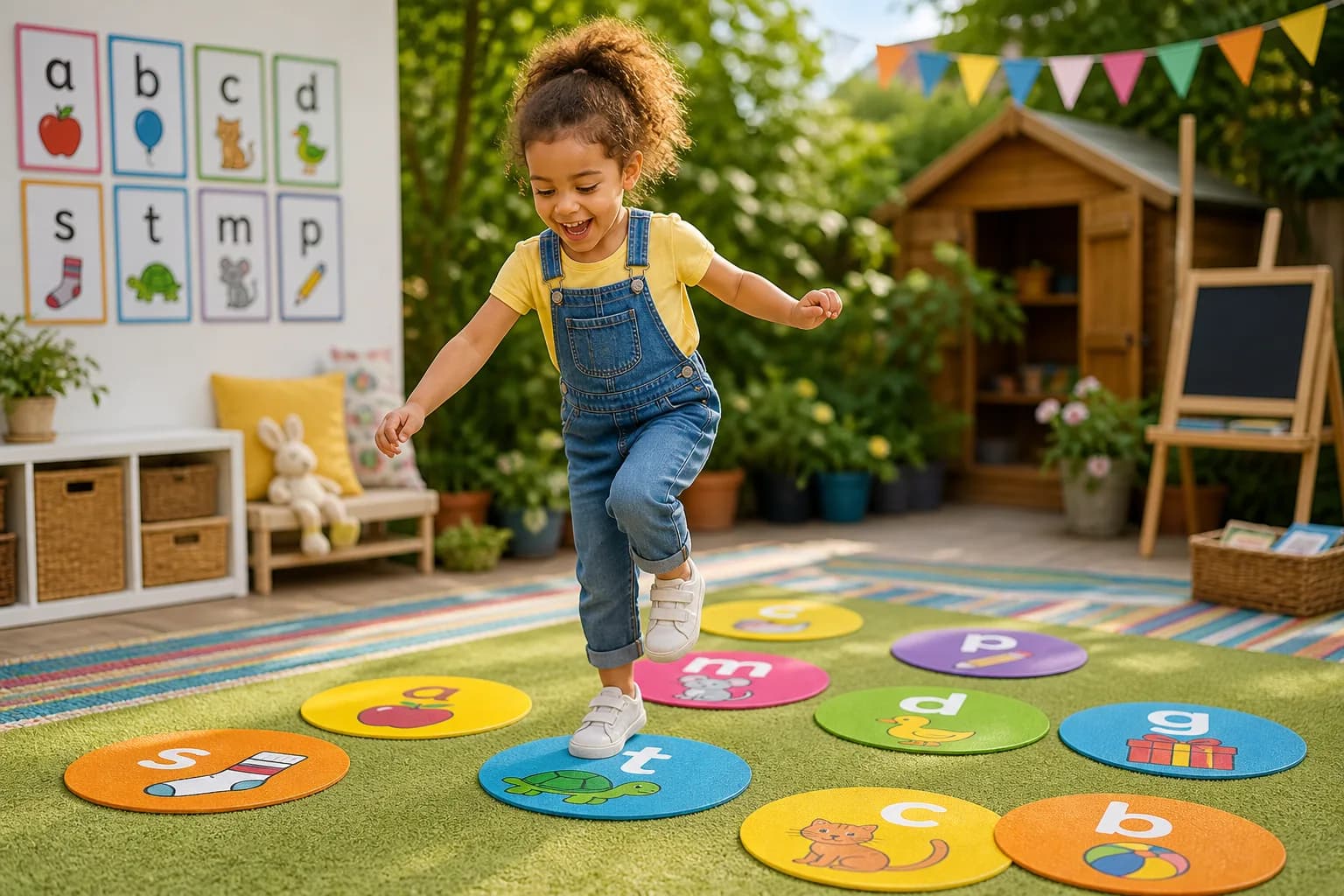
Phonics Sound Hop
A movement phonics game where children hop to the sound or word they hear, ideal for EYFS and KS1 rainy-day energy.
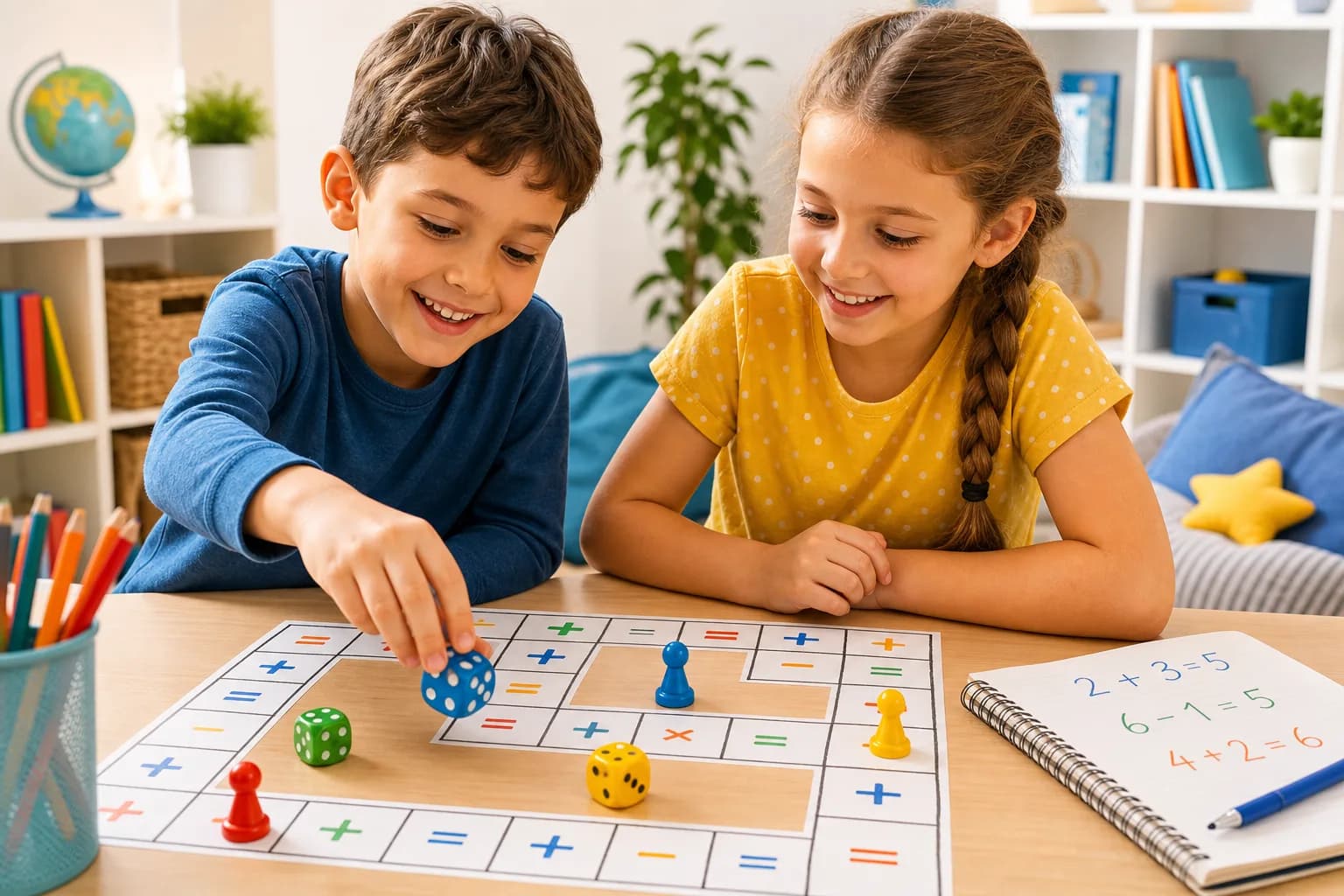
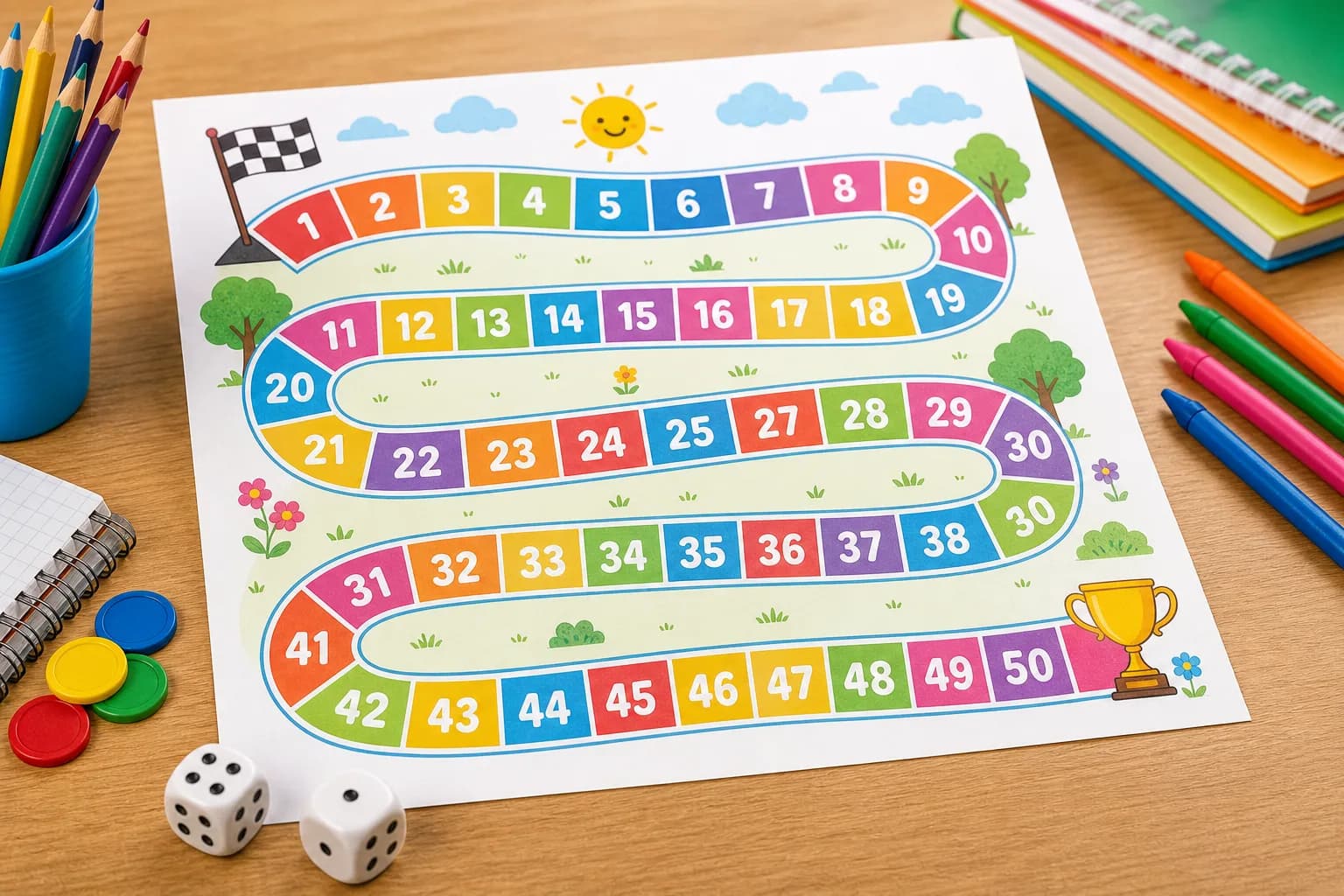
Maths Dice Race
Roll dice, solve quick sums, and race to a target number in a lively indoor maths game for KS1 and KS2 children.
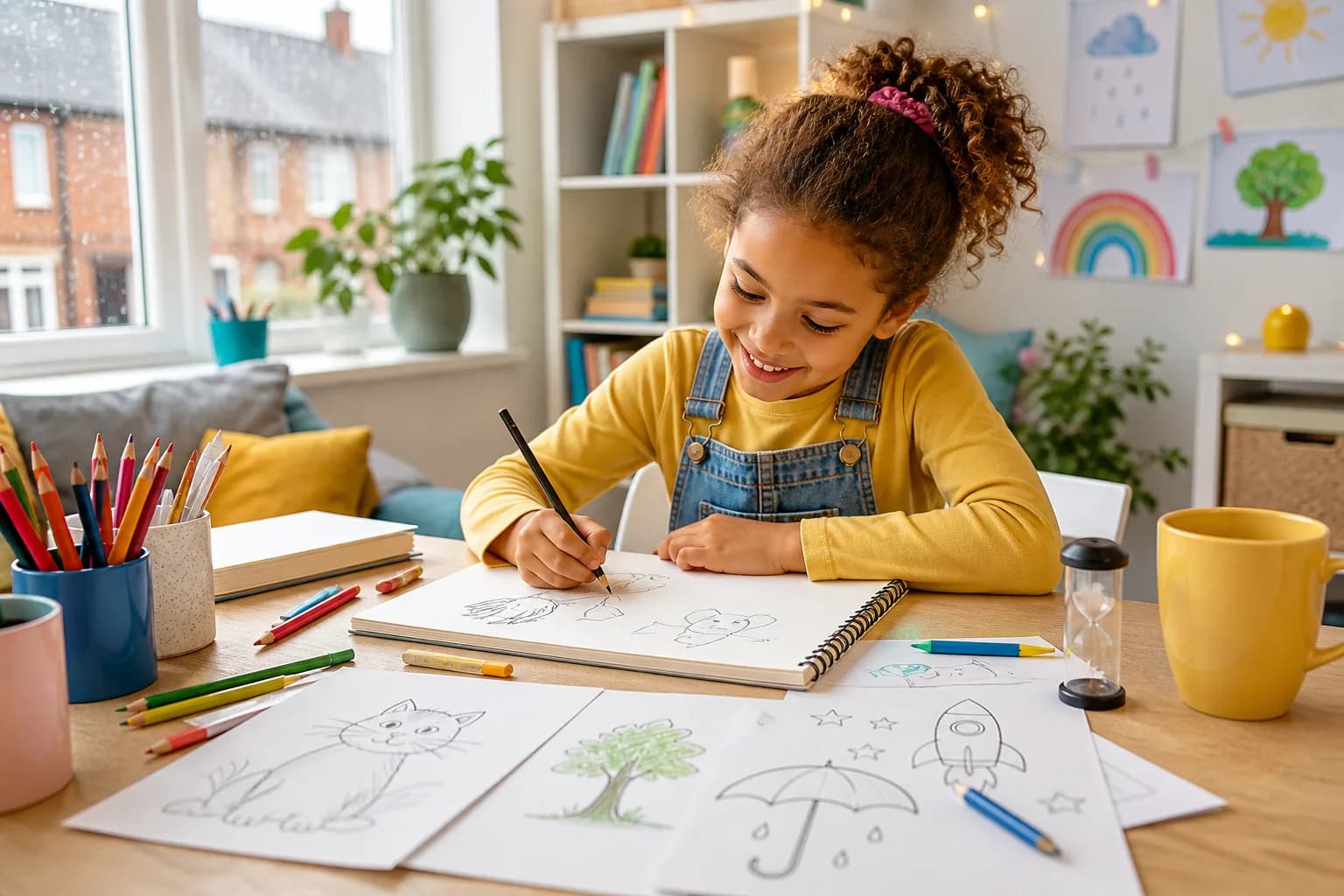
Five-Minute Drawing Prompts
Quick drawing prompts to reset attention and spark creativity in short bursts.
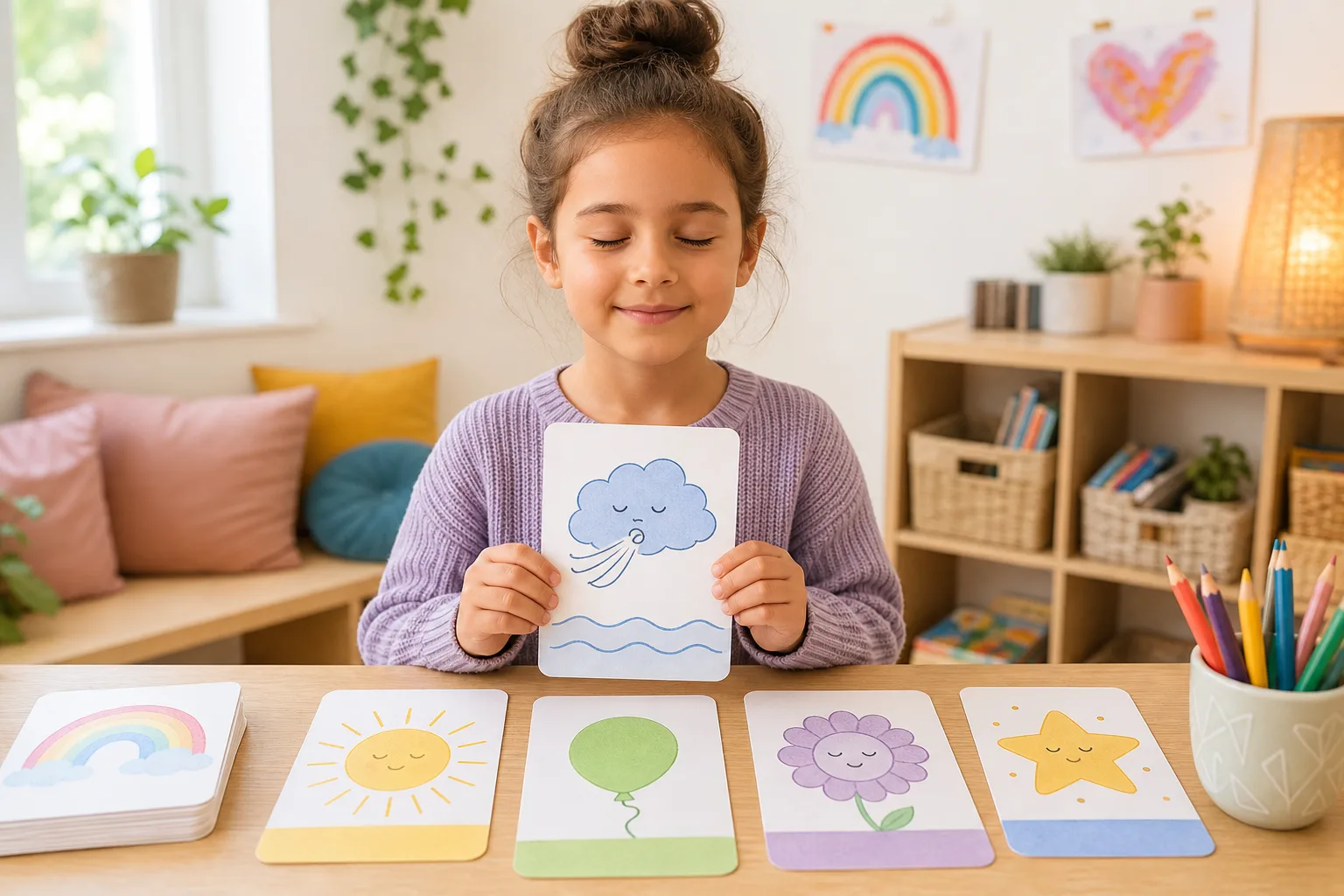
Calm Breathing Colour Cards
Trace colours while breathing in and out slowly to reset after busy moments.
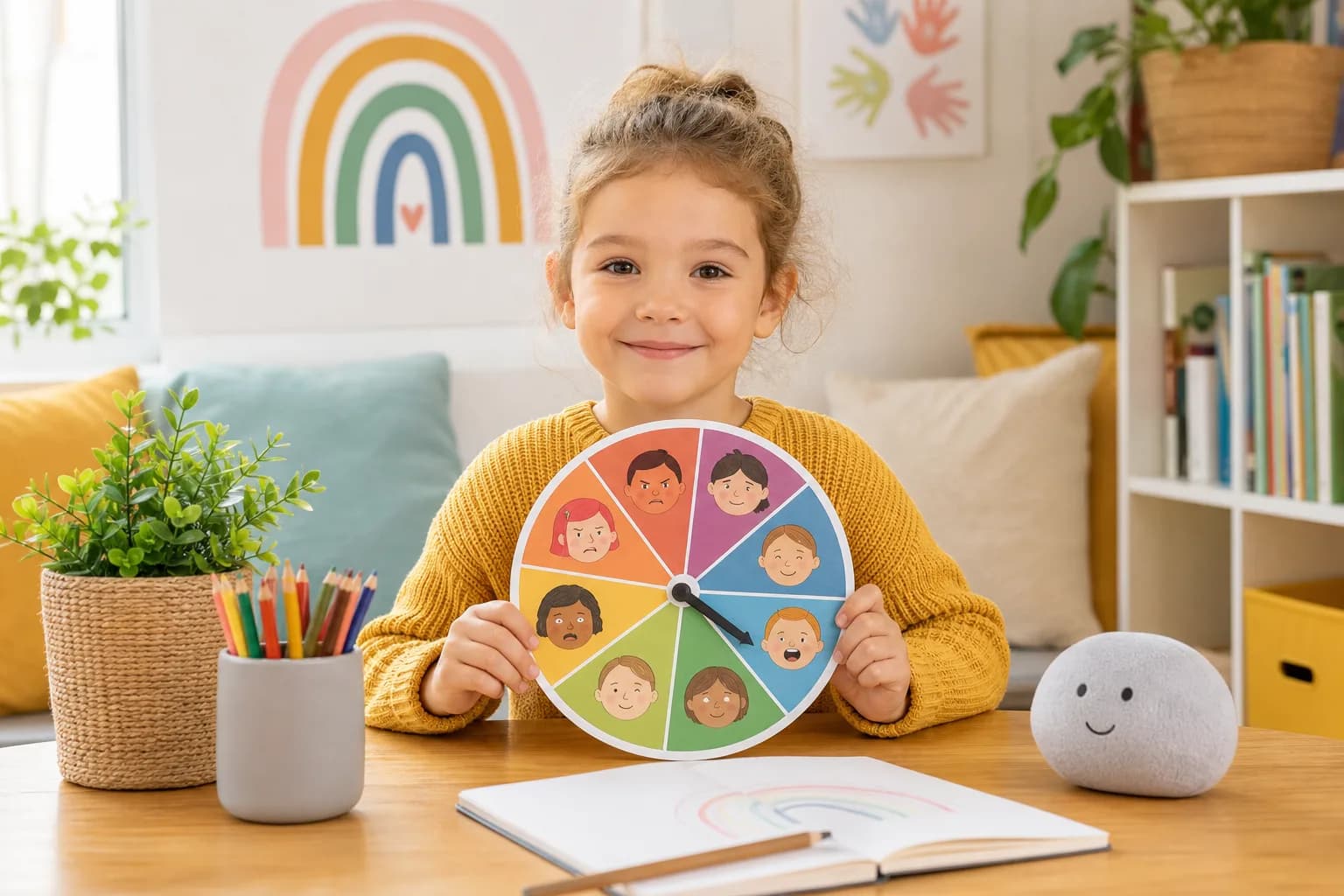
Feelings Colour Wheel
Use a colour wheel to talk about emotions and calming strategies.
Print & play
Linked printables
Download or preview these printable resources.
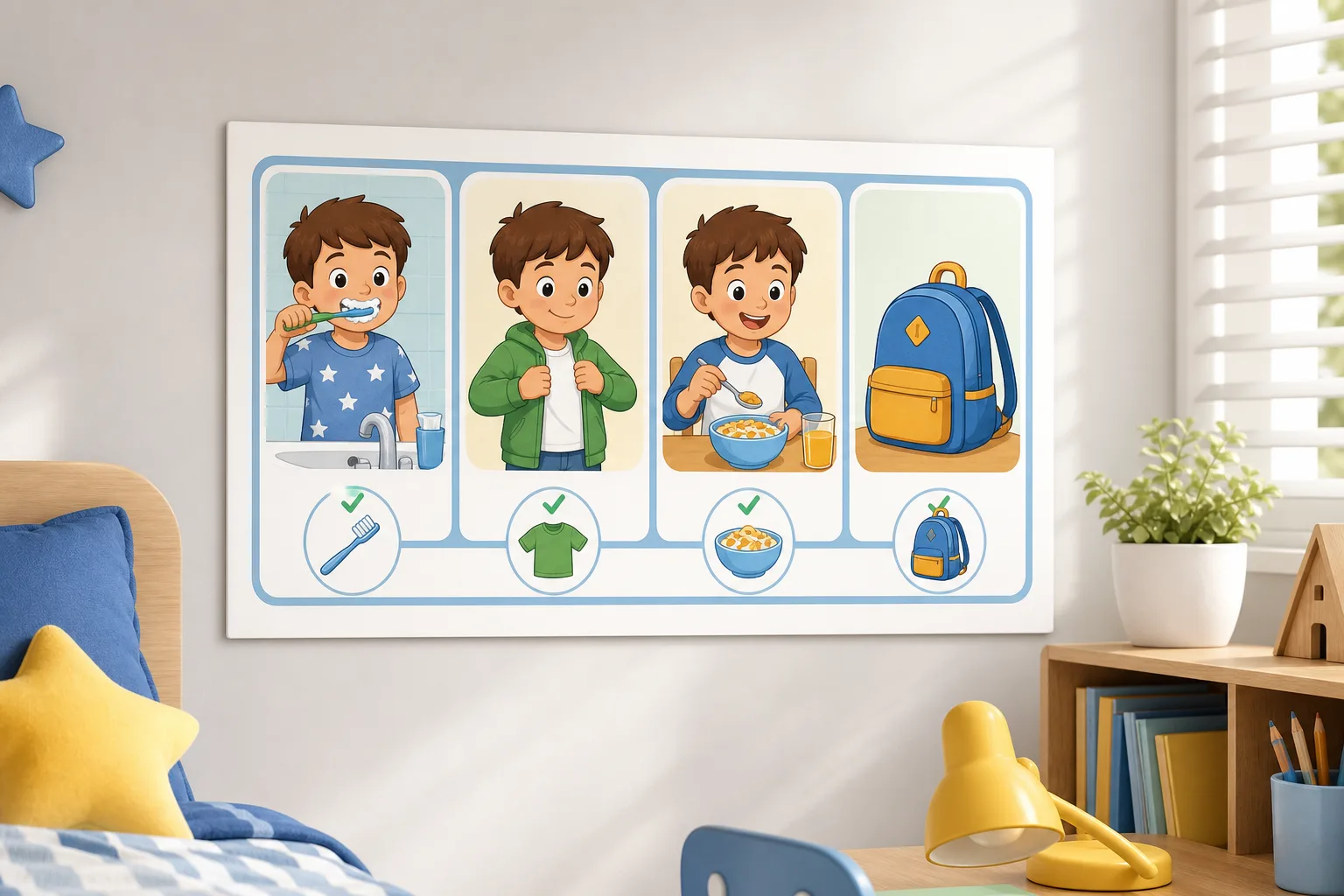
Routine Chart
Morning Routine Chart
A visual routine chart for getting ready on school mornings.
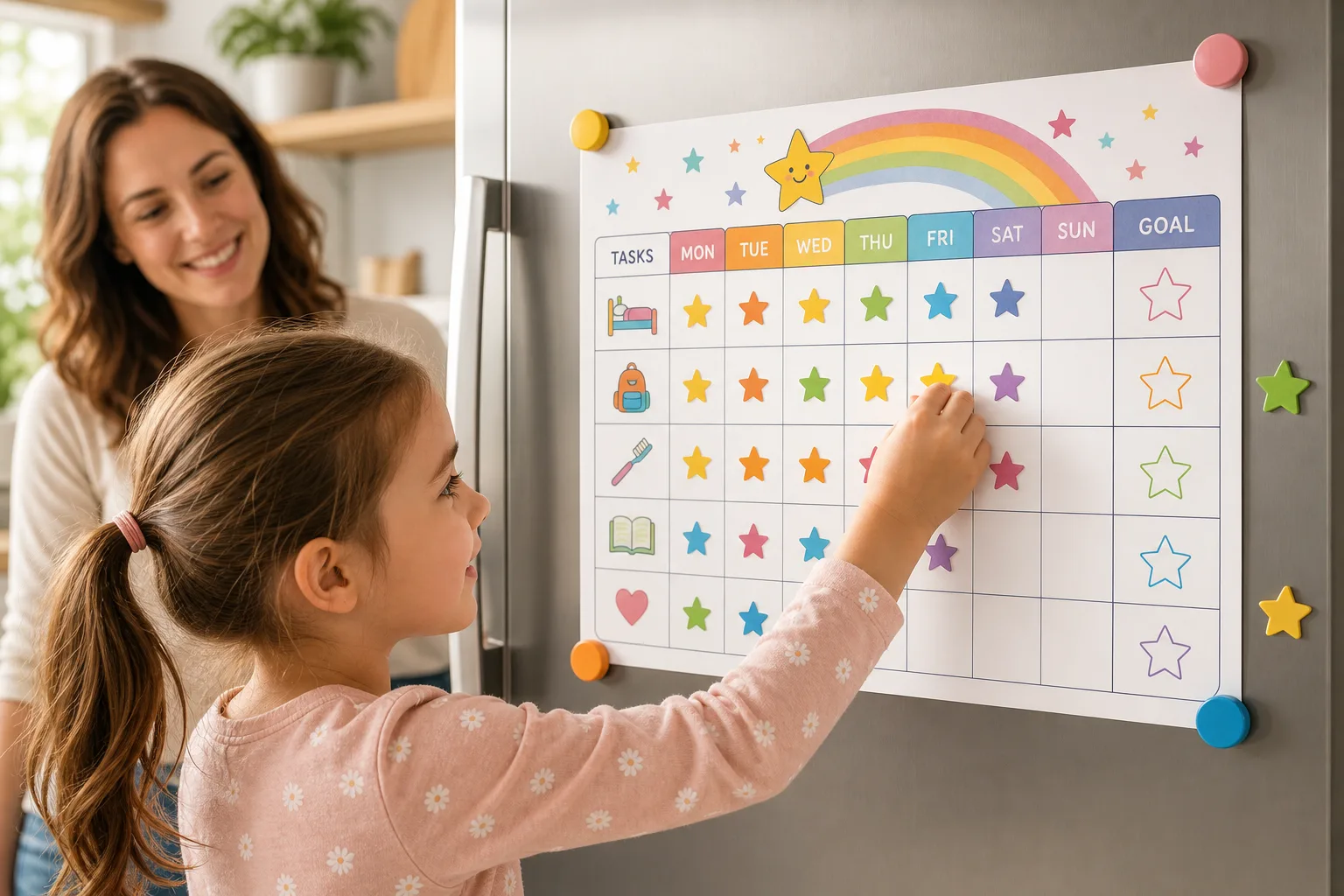
Reward Chart
Reward Chart for Kids
A simple weekly reward chart for routines, effort, and positive habits.
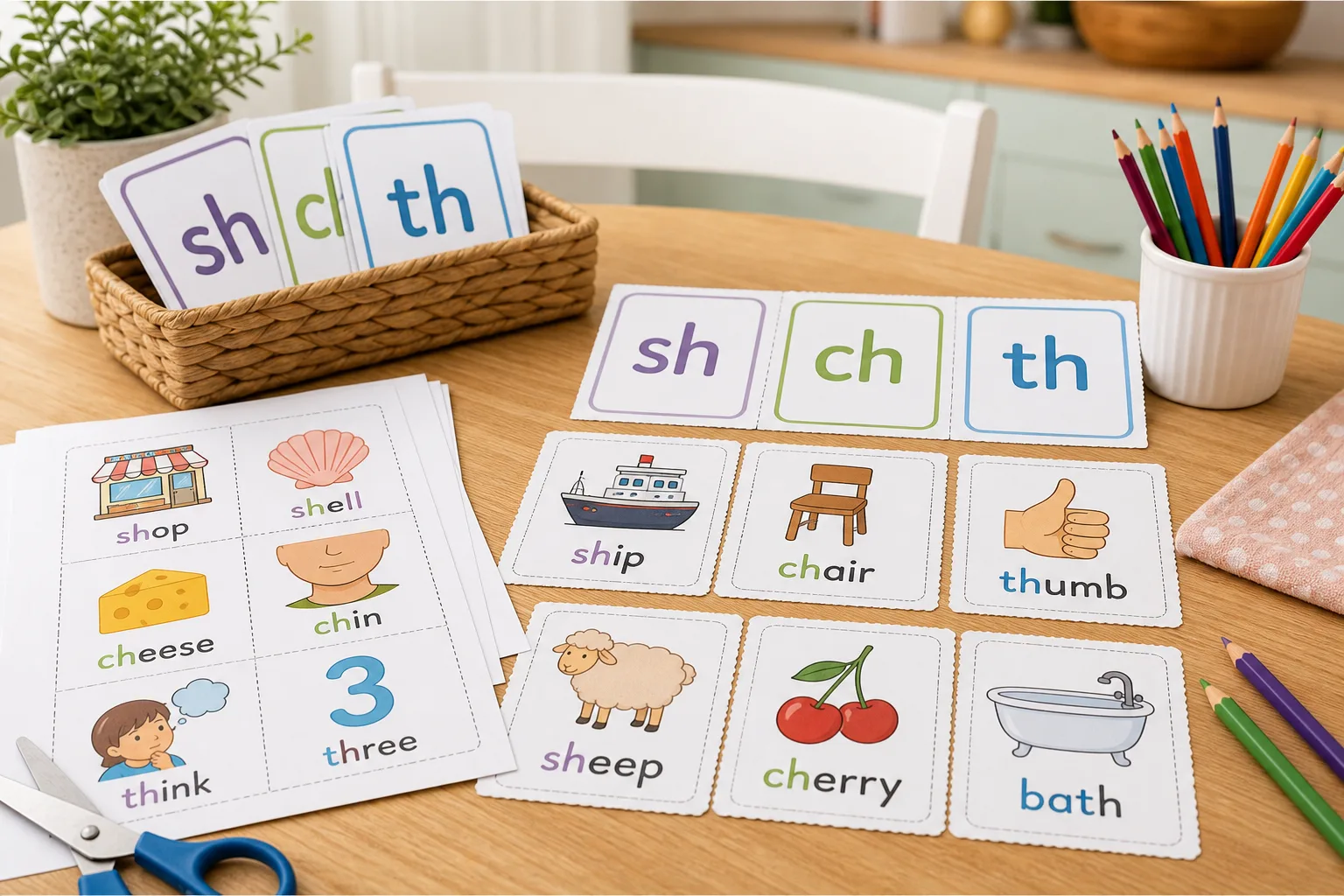
Phonics
Phonics Game Cards
Printable phonics sound cards for quick reading games, movement activities, and KS1 classroom warm-ups at home or school.
Maths
KS1 Maths Dice Game
A printable track and instructions for a quick dice maths race.
Worksheet
Feelings Colour Wheel
A printable colour wheel to support talking about emotions and calming strategies.
FAQs
Common questions
What if clubs run late?
Shrink the bridge activity and protect bedtime first. Homework can be shorter or moved to morning if needed.
Should the routine chart be for mornings or evenings?
Both help. We use evening for bag packing and morning for leave-the-house steps so neither list is overwhelming.
How do we handle siblings in different year groups?
Shared snack and bag-pack times, then split homework spaces if possible. One adult rotates support in ten-minute blocks.


